
Plant-Based Cooking Techniques & Recipes
Master the art of preparing nutritious, delicious plant-based meals with our comprehensive guides and recipes. From basic knife skills to advanced cooking methods, discover techniques that transform whole foods into extraordinary dishes.
The information on this site is for educational purposes only and does not constitute medical advice. Always consult a qualified healthcare professional before making health decisions.
Browse by Category
Featured Recipes & Techniques
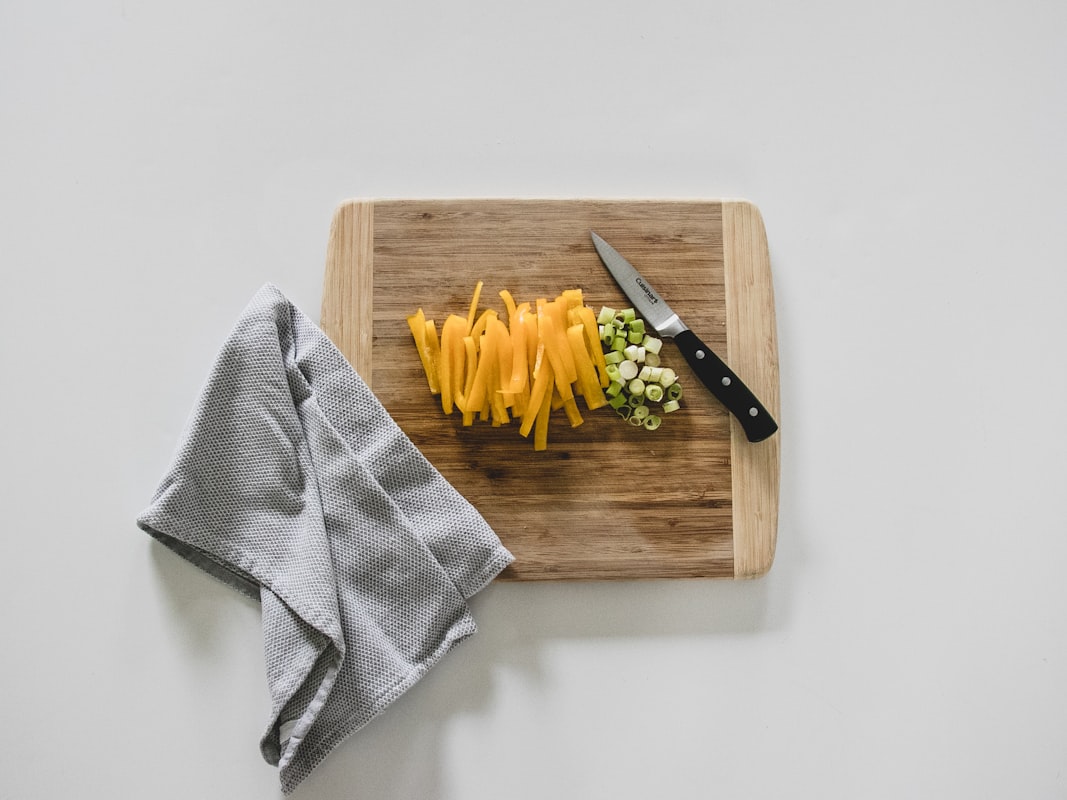
Steaming Vegetables: Master the Basics
Learn how to steam vegetables while preserving nutrients and vibrant colors. Discover optimal timing, water temperatures, and equipment choices for perfect results every time.
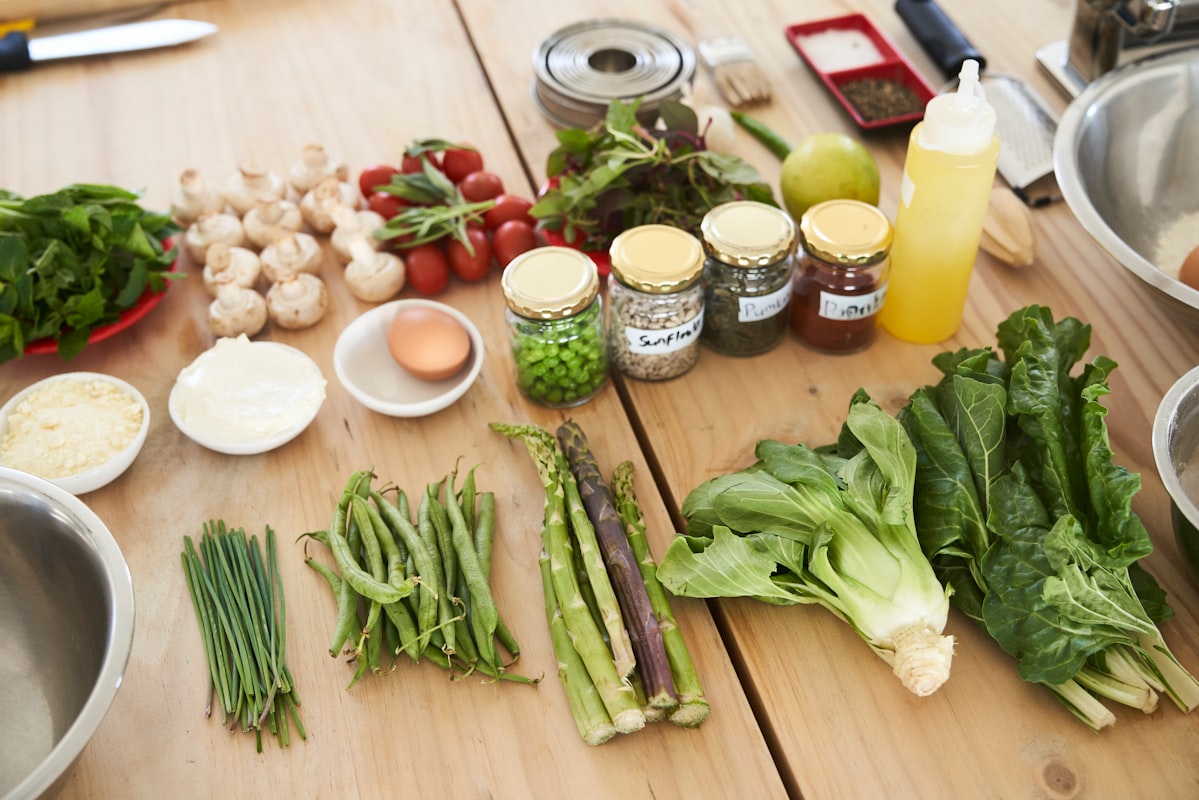
Roasting Technique: Caramelization Secrets
Unlock the magic of high-heat roasting. Learn how to achieve golden, caramelized vegetables with crispy edges through proper temperature management and preparation methods.
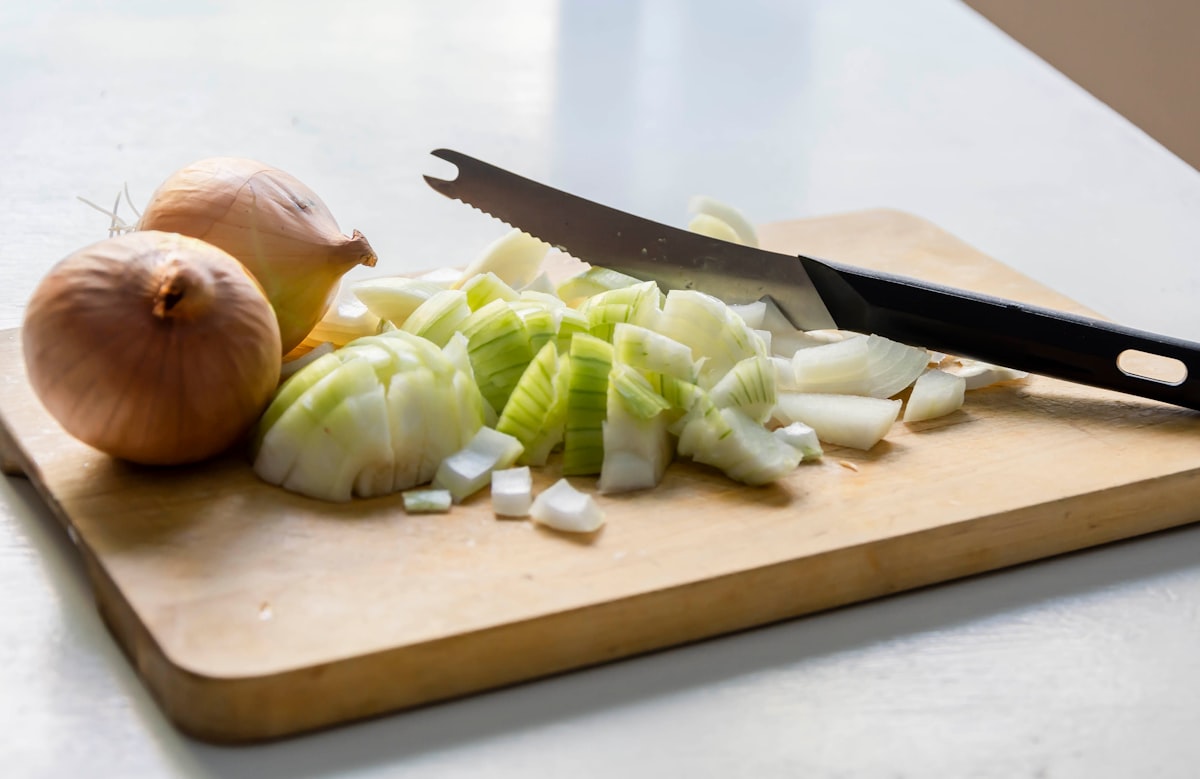
Sautéing: Quick & Flavorful Cooking
Master the sauté technique to create quick, restaurant-quality dishes. Understand heat control, oil selection, and timing to preserve texture while building complex flavors.
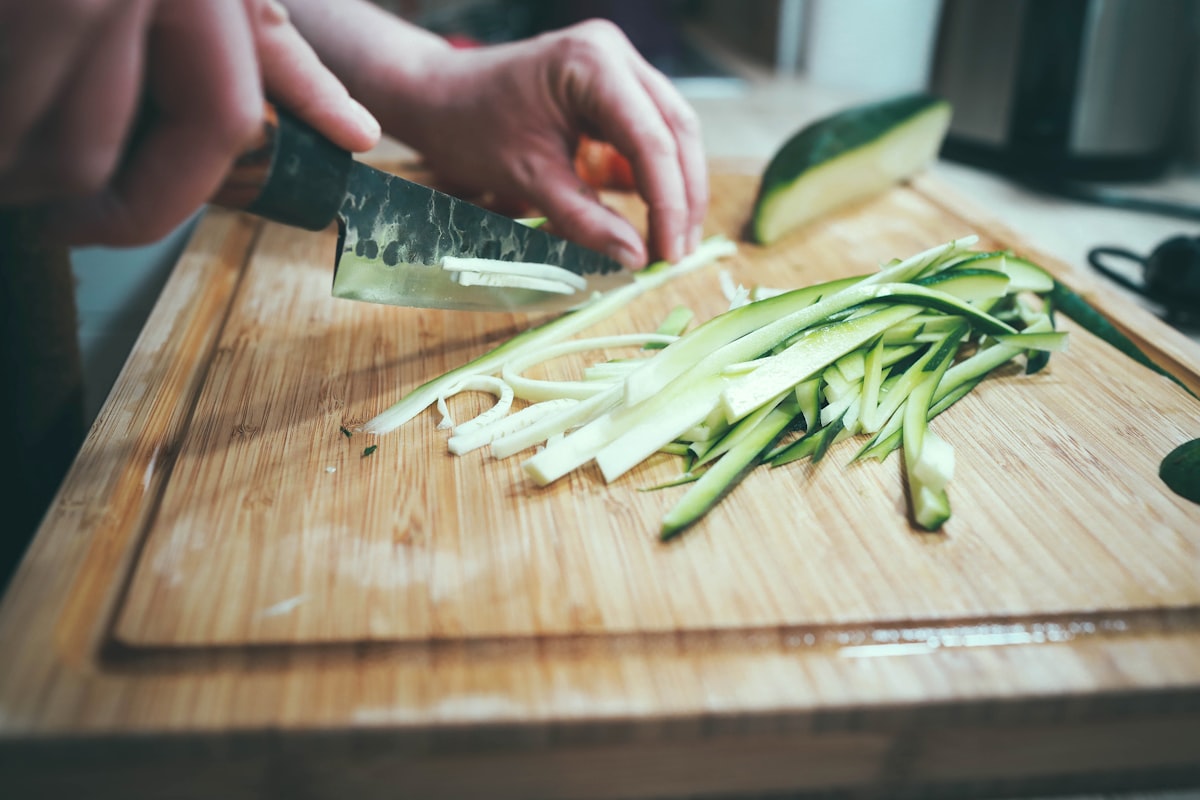
Making Creamy Soups Without Dairy
Discover how to create luxurious, creamy soups using plant-based ingredients. Learn blending techniques, natural thickening agents, and flavor-building methods for nourishing bowls.
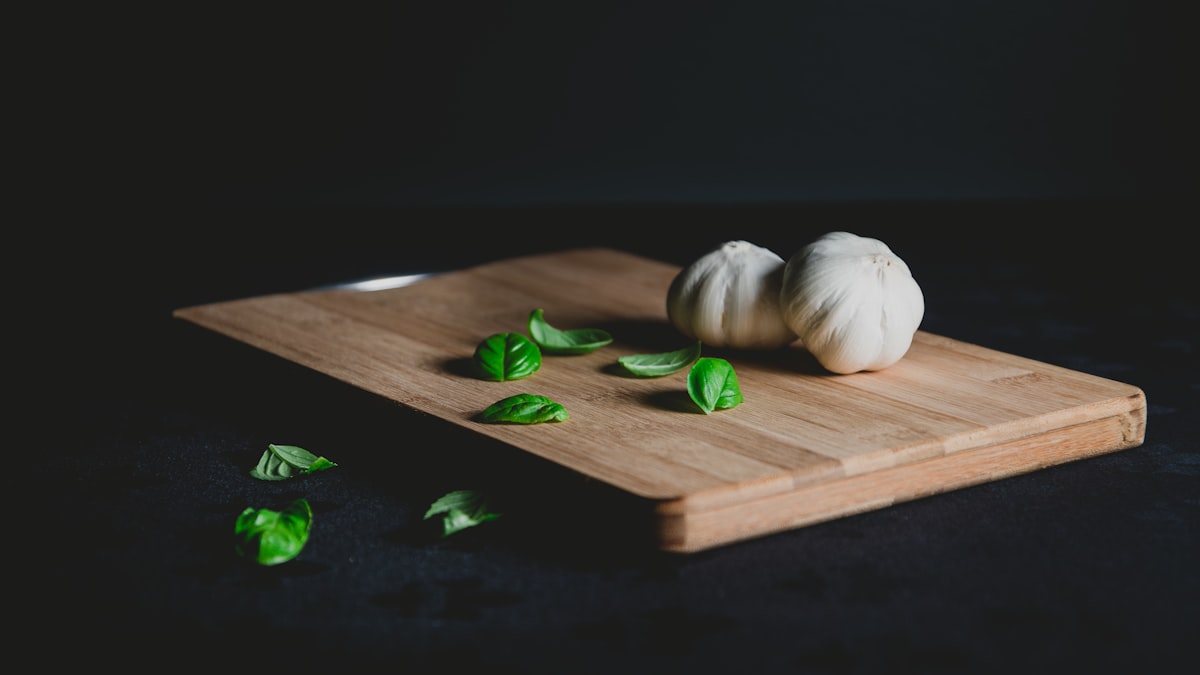
Cooking Whole Grains: Complete Guide
Learn proper techniques for cooking quinoa, brown rice, farro, and other whole grains. Master water ratios, cooking times, and finishing methods for perfectly fluffy results.
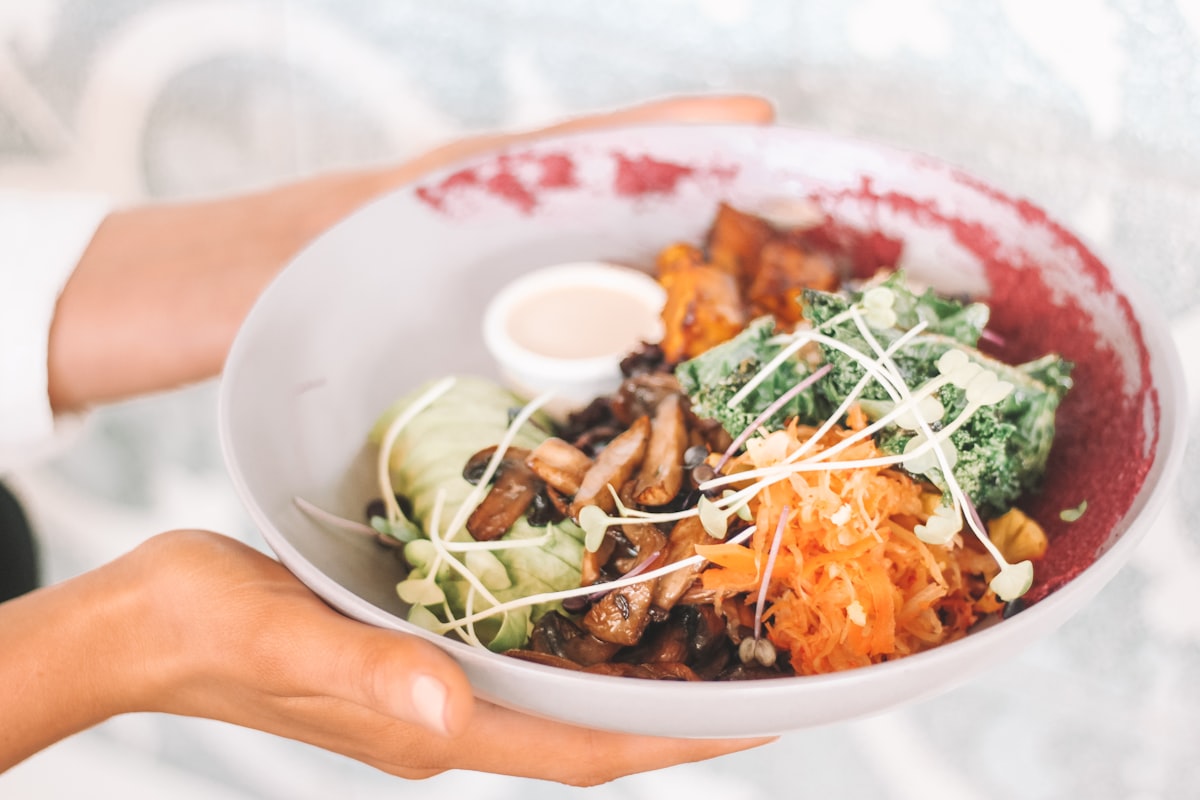
Bean Cooking Methods for Better Digestion
Understand different bean preparation techniques including soaking, sprouting, and cooking. Learn how proper methods enhance digestibility and maximize nutrient availability in legumes.
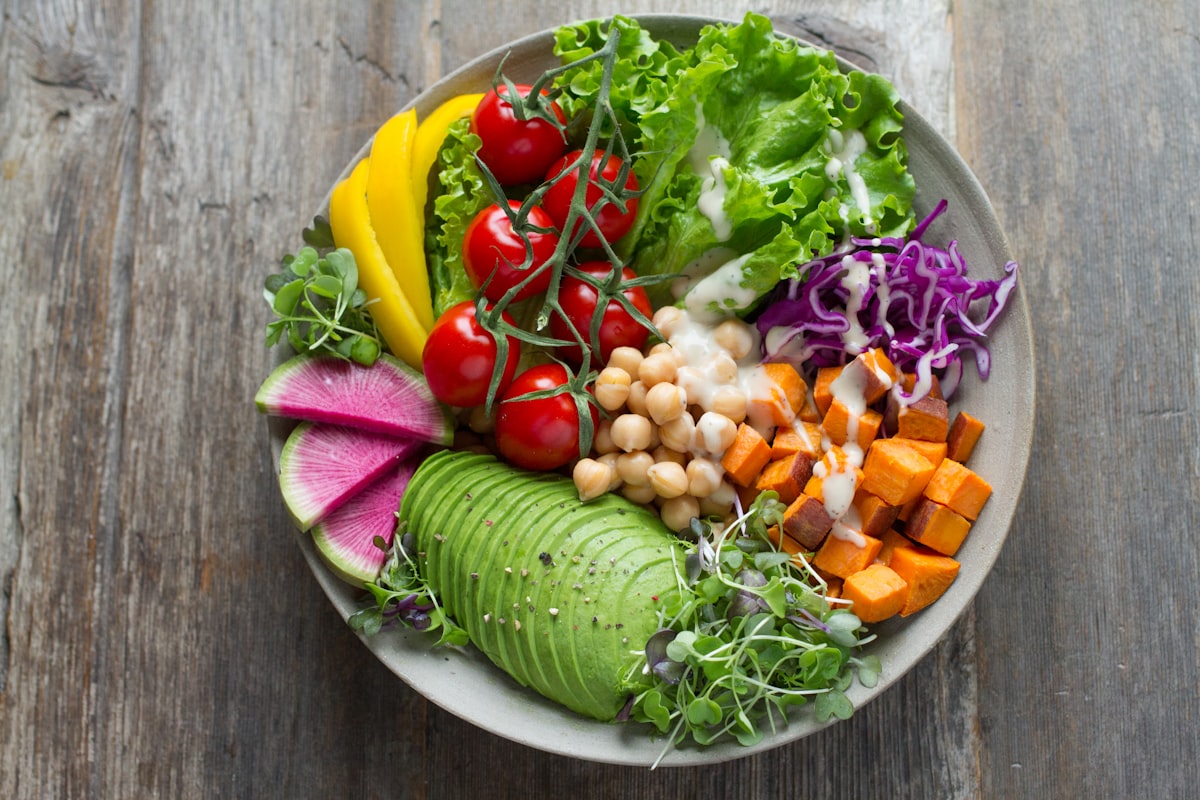
Essential Knife Skills for Plant-Based Cooking
Develop foundational knife techniques that improve both safety and efficiency in the kitchen. Learn proper grip, cutting styles, and maintenance for confident food preparation.
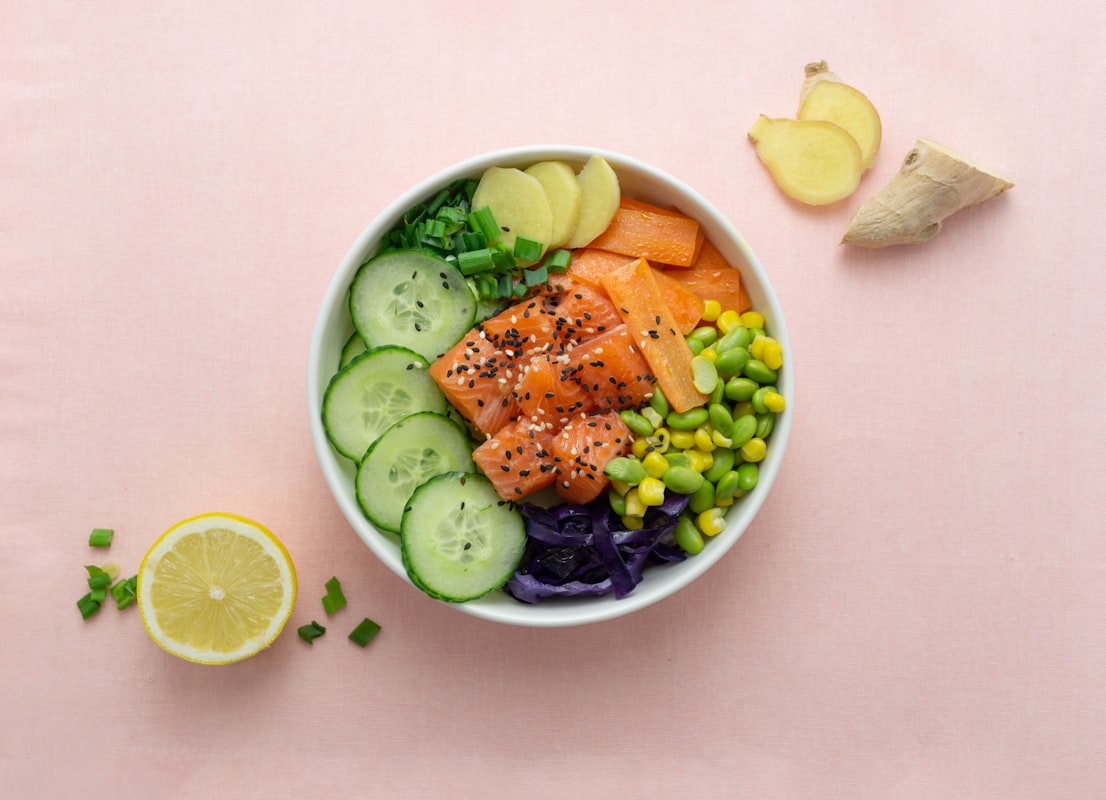
Building Balanced Breakfast Bowls
Explore nutritious breakfast combinations that energize your morning. Learn how to combine proteins, whole grains, fruits, and healthy fats for satisfying, sustained energy throughout the day.
What You'll Learn
Cooking Fundamentals
Master essential techniques that form the foundation of plant-based cooking, from heat management to flavor development.
Nutritional Knowledge
Understand how different cooking methods affect nutrient content and how to optimize meals for nutritional completeness.
Recipe Development
Learn how to create and adapt recipes that are both delicious and nutritionally balanced for plant-based lifestyles.
Time Management
Discover efficient cooking strategies and meal preparation techniques to create nutritious meals with minimal time investment.
Seasonal Cooking
Explore how to work with seasonal ingredients to maximize freshness, flavor, and nutritional value in your cooking.
Ingredient Substitutions
Learn how to creatively substitute ingredients while maintaining nutritional balance and culinary quality in your dishes.
The Plant-Based Cooking Journey
Learn the Basics
Begin with fundamental techniques and understand how different cooking methods work with plant-based ingredients.
Practice & Perfect
Experiment with recipes and techniques to develop your skills and discover cooking styles that resonate with you.
Develop Mastery
Advance to complex techniques and understand the science behind cooking methods for consistent, excellent results.
Share & Inspire
Create nourishing meals that reflect your knowledge and inspire others to embrace plant-based cooking.
Common Questions About Plant-Based Cooking
What equipment do I need to start cooking plant-based meals?
You don't need specialized equipment to cook plant-based foods. A good chef's knife, cutting board, mixing bowls, and basic cookware like pots and pans are sufficient. As you advance, you may explore tools like high-powered blenders for creamy sauces, food processors for chopping, and steamers for vegetables.
How can I preserve nutrients when cooking vegetables?
Steaming and stir-frying are among the best methods for preserving nutrients. Cook vegetables for shorter times at appropriate temperatures, avoid excessive boiling, and consider eating some vegetables raw in salads and smoothies. Different preparation methods affect different nutrients, so variety is key.
What are the best cooking oils for plant-based cooking?
Olive oil works well for lower-heat cooking and dressings, while avocado oil and refined coconut oil are suitable for higher-heat cooking. Each oil has different smoke points, flavor profiles, and nutritional compositions. Choose based on your cooking method and desired flavor outcome.
How do I make plant-based meals more flavorful?
Layer flavors through techniques like caramelization, sautéing aromatics, using spices and herbs, adding acidic elements (lemon, vinegar), and incorporating umami-rich ingredients like mushrooms, tomatoes, and nutritional yeast. Proper seasoning and temperature control are also essential for building depth.
Can I meal prep plant-based dishes in advance?
Yes, many plant-based dishes are excellent for meal prep. Grain bowls, soups, roasted vegetables, and legume-based dishes keep well for 3-5 days when properly stored. Some components can be prepared separately and assembled when eating to maintain texture and freshness.
How do I build complete proteins with plant-based ingredients?
Combine different plant-based protein sources throughout your meals. Pair grains with legumes, add seeds and nuts to salads, and include diverse vegetables. Understanding amino acid profiles helps you create balanced meals that provide all essential amino acids your body needs.
Recipe Deep Dive: Buddha Bowl Mastery
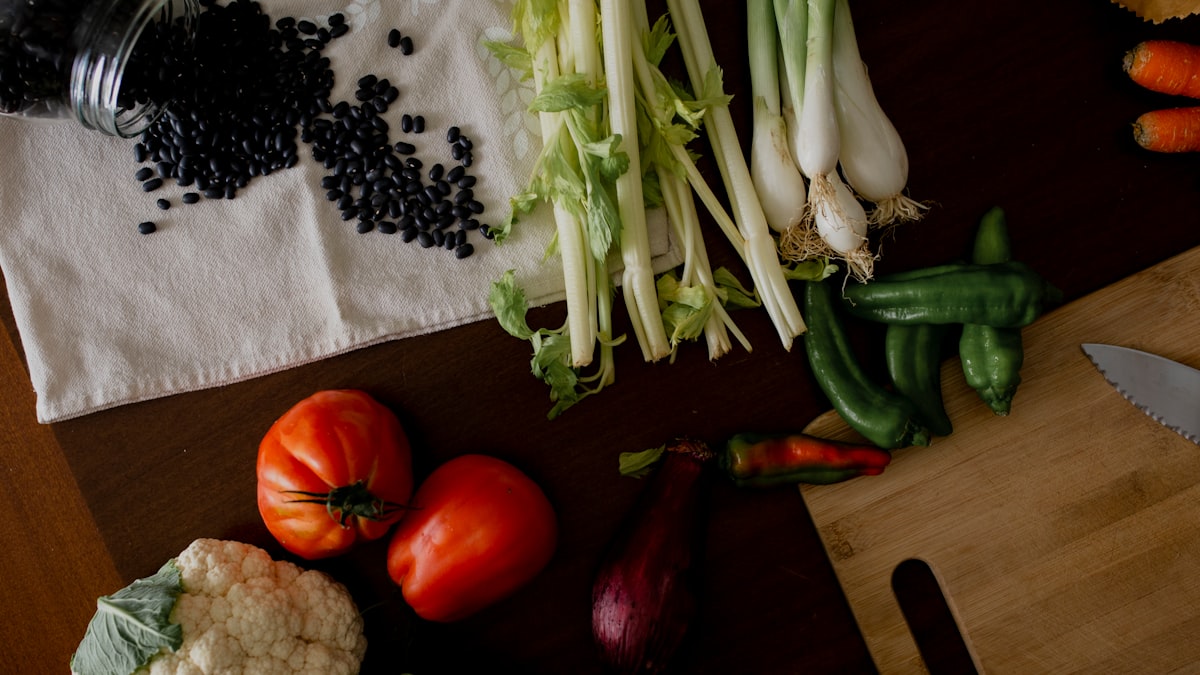
Creating Balanced, Nutritious Bowls
A Buddha bowl combines grains, legumes, roasted vegetables, fresh greens, and flavorful toppings to create a complete meal. This format teaches you balance, variety, and how different cooking techniques come together.
The Foundation: Four Components
- Base (Greens): Raw or lightly cooked leafy greens provide minerals and enzymes while adding volume and freshness.
- Grain/Carbohydrate: Properly cooked quinoa, brown rice, or farro provides sustained energy and essential nutrients.
- Protein: Roasted chickpeas, lentils, or tofu contribute essential amino acids and satiety.
- Vegetables & Toppings: Rainbow of colors ensures diverse micronutrients plus flavor variety and textural interest.
Master the individual cooking techniques for each component, then learn how to combine them for maximum impact. This approach teaches you flexibility—once you understand the principles, you can create infinite combinations based on seasonal availability and personal preferences.
Read Full Recipe GuideAdvanced Cooking Topics
Fermentation Fundamentals
Explore traditional fermentation methods to create nutrient-dense foods like sauerkraut, miso, and tempeh. Learn how beneficial bacteria transform ingredients while adding depth and complexity to dishes.
Learn More →Sprouting & Germination
Understand how sprouting seeds, legumes, and grains enhances their nutritional profile and digestibility. Master the techniques for creating fresh, enzyme-rich foods at home.
Learn More →Plant-Based Cheese Making
Discover techniques for creating cultured plant-based cheeses using nuts, starches, and fermentation. Develop creamy textures and complex flavors that rival traditional dairy alternatives.
Learn More →Seasonal Ingredient Sourcing
Master the art of sourcing fresh, seasonal ingredients locally. Learn supply chain relationships and sustainable practices that elevate your culinary creations year-round.
Learn More →Advanced Fermentation Techniques
Explore the science behind fermentation and preservation. From kombucha to miso, develop probiotic-rich foods that support digestive health and bold flavors.
Learn More →What Our Students Say
Join thousands of culinary enthusiasts and professionals who have transformed their kitchens and careers with Nutritional Kitchen Training.
Sarah Mitchell
Chef & Nutrition Coach
"The courses completely transformed how I approach nutrition and cooking. I now confidently counsel clients on plant-based living while creating restaurant-quality meals."
Marcus Chen
Food Entrepreneur
"I launched my own meal prep business directly from what I learned. The practical skills and business guidance gave me the confidence to turn my passion into profit."
Emma Rodriguez
Home Cook & Health Advocate
"As someone with autoimmune challenges, these courses helped me create delicious meals that support my health journey. The community support is incredible!"
Frequently Asked Questions
No! Our courses are designed for all skill levels, from complete beginners to experienced chefs looking to expand their nutritional knowledge. Each lesson builds progressively.
We offer live interactive workshops, self-paced video courses, and one-on-one coaching sessions. Choose what works best for your schedule and learning style.
Yes! We offer professional certifications in Nutritional Cooking, Plant-Based Nutrition, and Food Business Management. These are recognized in the health and culinary industries.
We offer a 30-day money-back guarantee on all courses. If you're not satisfied, we'll refund your full investment, no questions asked.
You'll receive instant access to your course dashboard with all videos, recipes, and resources. Access remains available for life, so you can learn at your own pace anytime.
Ready to Transform Your Kitchen?
Join our community and start your nutritional cooking journey today. Get exclusive access to all courses and ongoing support from expert instructors.